Friday, July 10, 2015

Charles E. Griffin Utah War


“On the 14th of Aug. 1857 I was in the City and received notice to be at the Tithing Office that night armed and equipped for a campaign. I did not enquire where. I returned home, saddled my horse, took my gun and blankets, that being all the arms I then had, and returned to the City where I found the company assembled. We camped there that night and the next morning, the 15th of August 1857, we started East.”
The tensions between the Mormons and the outside world had been slowly building up. In response the leadership of the Nauvoo Legion had issued ORDERS to all of the counties in the Territory to increase their military preparedness. Word of Johnson’s Army leaving Fort Leavenworth, Kansas reached the Salt Lake Valley on July 24th. On August 15th the ORDER sending Charles E, Griffin and his fellow soldiers East to face the oncoming Federal Army was issued. A unit in Provo received a similar ORDER.
Charles wrote that he left home with a single “gun”. However weapons and SUPPLIES were quickly forwarded to the Cavalry units manning the front lines. The most sought after weapon for the cavalry units was the COLT DRAGOON six shot, cap and ball pistol. Charles was to carry such a weapon during much of his military service.
As the situation became more intense MARTIAL LAW was imposed throughout the Territory.
One of the interesting aspects of the Utah War was the correspondence between Col. Alexander, the Federal Commander, for much of the campaign and Brigham Young. In these LETTERS each stakes out their opposing point of view.
The Life Guards made a rapid trip from the Salt lake Valley to the area near Devils Gate. One of the first major milestones was crossing the ridge before dropping down into the Bridger Valley. From the TOP OF THE RIDGE the view is toward Fort Supply a view Charles would have taken many times before the campaign was over. All that remains of Fort Supply is a beautiful MEADOW.
As the Life Guards retreated before the oncoming Federal Army they would have made many crossings of the Sweetwater River like the one named 6TH CROSSING.
SOUTH PASS was the single most significant point on any crossing of the Oregon Trail. Just after crossing South Pass you find PACIFIC SPRINGS the sight of the first major confrontation between the opposing forces.
As the Life Guards retreated across Wyoming they did everything they could to deny the Federal Army the resources the land had to offer to support the men and their animals. One of their last acts was to burn FORT BRIDGER with its tall rock walls in order to deny its use to the Federal Army.
Unable to make it into the Salt Lake valley that year the Federal Army was force to go into winter quarters at FORT SCOTT just south of Fort Bridger.

The records for the Utah War were kept separately from the rest of the military archives. Here are a few surviving MUSTER ROLLS from the Life Guards. By the end of the campaign Robert T. Burton was commanding some 300 men.


Thursday, July 9, 2015

Life Guards


For much of his life as a young man Charles Emerson Griffin served in the Nauvoo Legion. His service started in 1853 at the age of sixteen. From his autobiography,
“When sixteen years old I joined a minute company under Captain Robert T. Burton, and from that time on until I moved to Summit County, I held myself in readiness with horses, saddle, bridle, arms and forty rounds of ammunition to go to any place at any time when called upon.”
Charles joined the Life Guards sometime early in 1853. The first time he appears in a MUSTER ROLL is in November of 1853 as his unit was inspected and reorganized after a summer’s campaign during the Walker War. Charles is number 33 on the list of men.
Charles served in the most elite unit in the newly reconstituted Nauvoo Legion the Life Guards. The Guards had two Battalions of Cavalry and two Battalions of Infantry. Together these units made up what was considered the standing army for the Utah Territory. The Guards were usually the first force sent to face any major emergency.
 Within days of the opening salvos in the Walker War Lt. Colonel William Kimball was given ORDERS to assemble a unit and make a reconnaissance in force to the far end of Utah Valley. Part of his command was to be made up of men from the 1st Regiment of Cavalry. In his 1st REPORT back he names Hoses Cushing and John Smith of Charles’s own unit as members of his staff the indication being that Charles was also part of the command. Lt. Colonel Kimball sent back a detailed REPORT of the unit’s activities.
Later that summer Charles’s unit was received ORDERS to serve under George D. Grant in response to raids against the sawmills in Parley’s Park
The major action taken by the Life Guards in 1853 was an expedition to Sanpete County the epicenter of the Walker War. ORDER, 21, sent the unit on its way. We get some idea of the campaign from a REPORT written by the commanding officer in Manti.

In 1855 a select group from the Life Guards were sent East by ORDER of Brigham Young. The unit was to show the flag and take steps to demonstrate Mormon control over the eastern end of the Oregon Trail. Robert T. Burton was given ORDERS to assemble and lead the unit. He sent back a very detailed REPORT on the unit’s activities. At the end of the mission one of the most detailed MUSTER ROLLS on file was written. It acknowledges the men who served and is stamped with Brigham Young’s personal seal of approval. Click on images to enlarge.


Wednesday, July 8, 2015

Charles E Griffin Chapter-5 Salt Lake City 1848

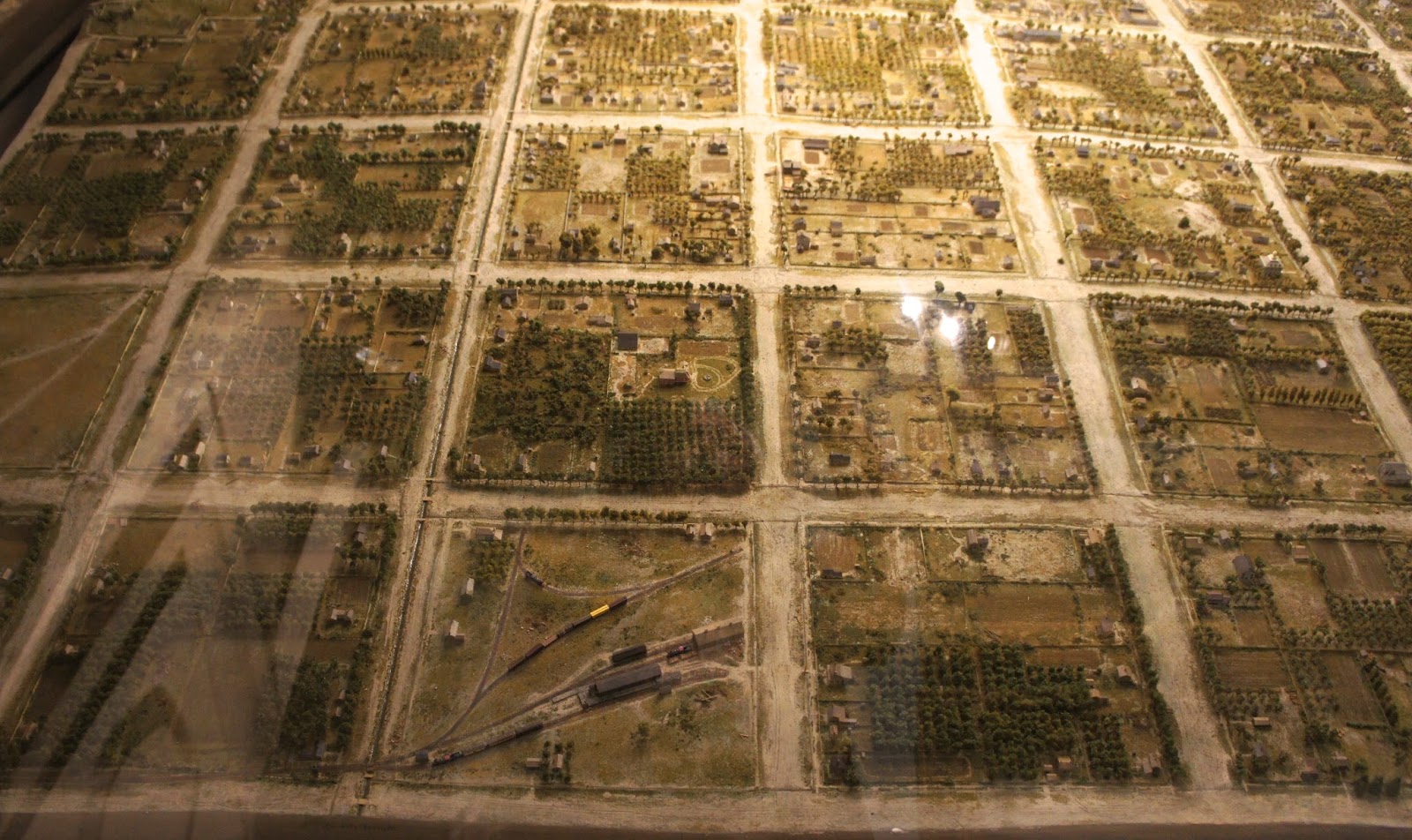
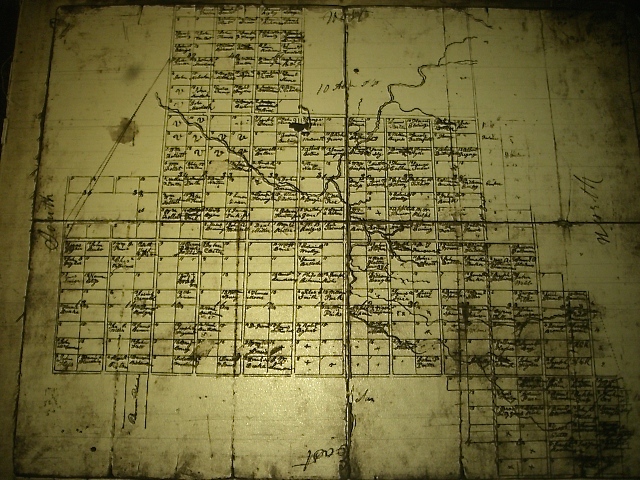
Albert Griffin was granted a city lot in Block-82 soon after his arrival in the Salt Lake Valley. When the trains came into the valley the track ran throughout the middle of Albert's old Lot-82. The Griffins early on left the city and moved onto the Church Farm. The 1850 census shows the household of Albert Griffin, which included four children from another family that he was sheltering. Albert was one of the first men to acquire farm land in Sugar House. The farm was located along Kanyon Creek. By the time of the 1860 census Albert's household included his two hired hands. With his growing farm and cattle herds Albert was one of the first 250 men in Utah to apply for a cattle brand. His brand was the number "10".  By 1852 Albert had joined the Cottonwood Militia which include the Church Farm. Click on images to enlarge.


Charles E Griffin Chapter-3 Winter Quarters


Charles E Griffin Chapter-2 Nauvoo

The move from Ohio to Nauvoo was made much easier by the canal system in Ohio. We have two deeds from Nauvoo. One is the purchase of the farm in Pilot Grove the second is for the sale of the property. The pictures where taken at the exact location of the farm. Click on images to enlarge.


Charles E Griffin Essex to Munson

The story for Charles starts on the original home lot for his grandfather Samuel Griffin, Lot 81, in Essex, Vermont. The first stop for the Griffins in Ohio was in the township of Newbury. The family then moved to next-door Munson where Charles's father, Albert, began to accumulate property in Lot 10. On one of the deeds we find Albert's signature the final act in retiring a mortgage.